Music and the Brain: How Playing an Instrument Boosts Learning
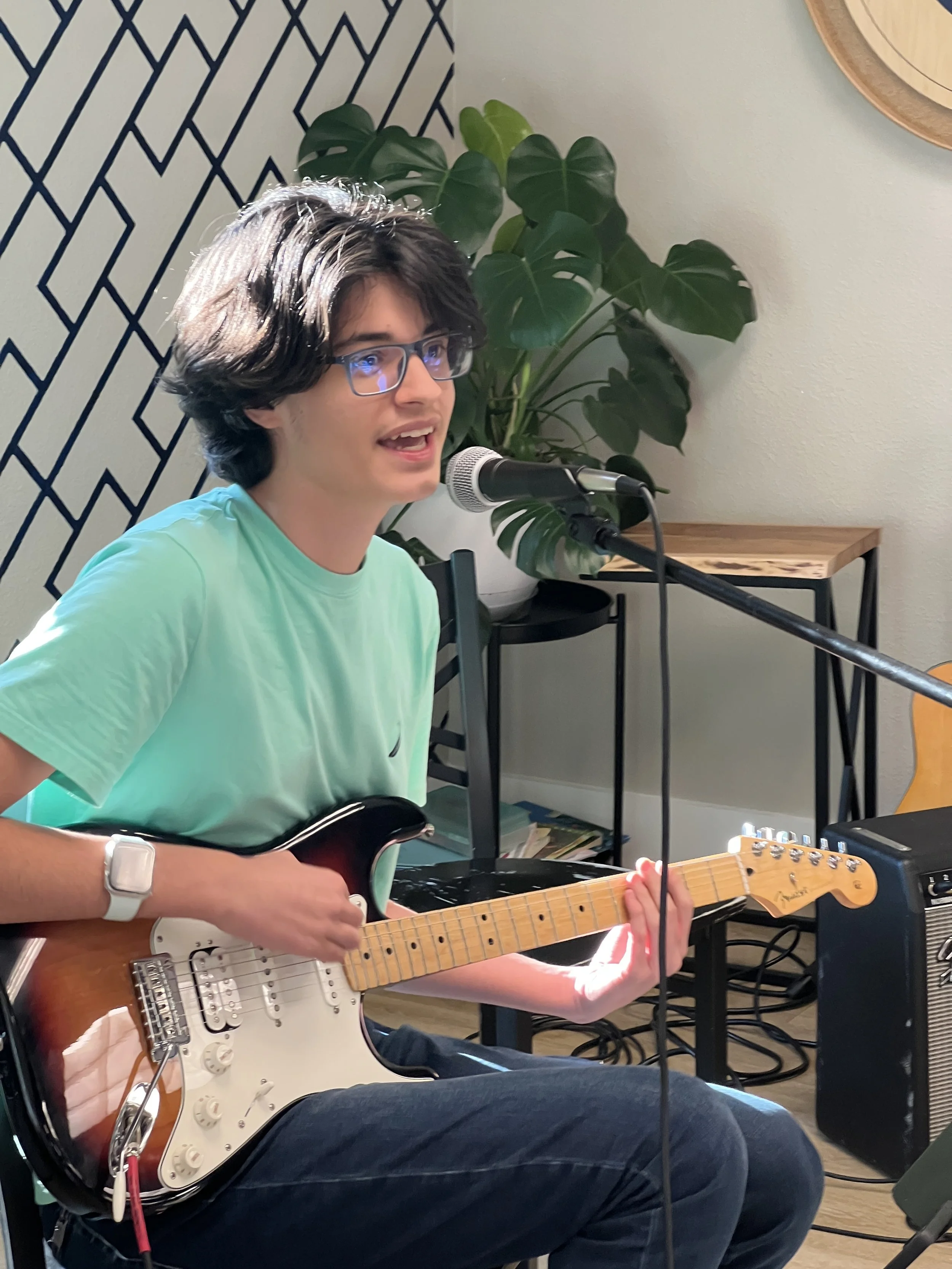
Did you know that playing music is like a workout for your brain? When kids learn an instrument, they’re not just making music—they’re helping their brains grow stronger in fun and amazing ways!
Music Makes Your Brain Stronger
When you play an instrument, your brain has to do many things at once. It reads notes, listens to sounds, moves your fingers, and keeps the beat—all at the same time! This helps different parts of the brain work together, making it easier to learn new things in school.
Better Focus and Memory
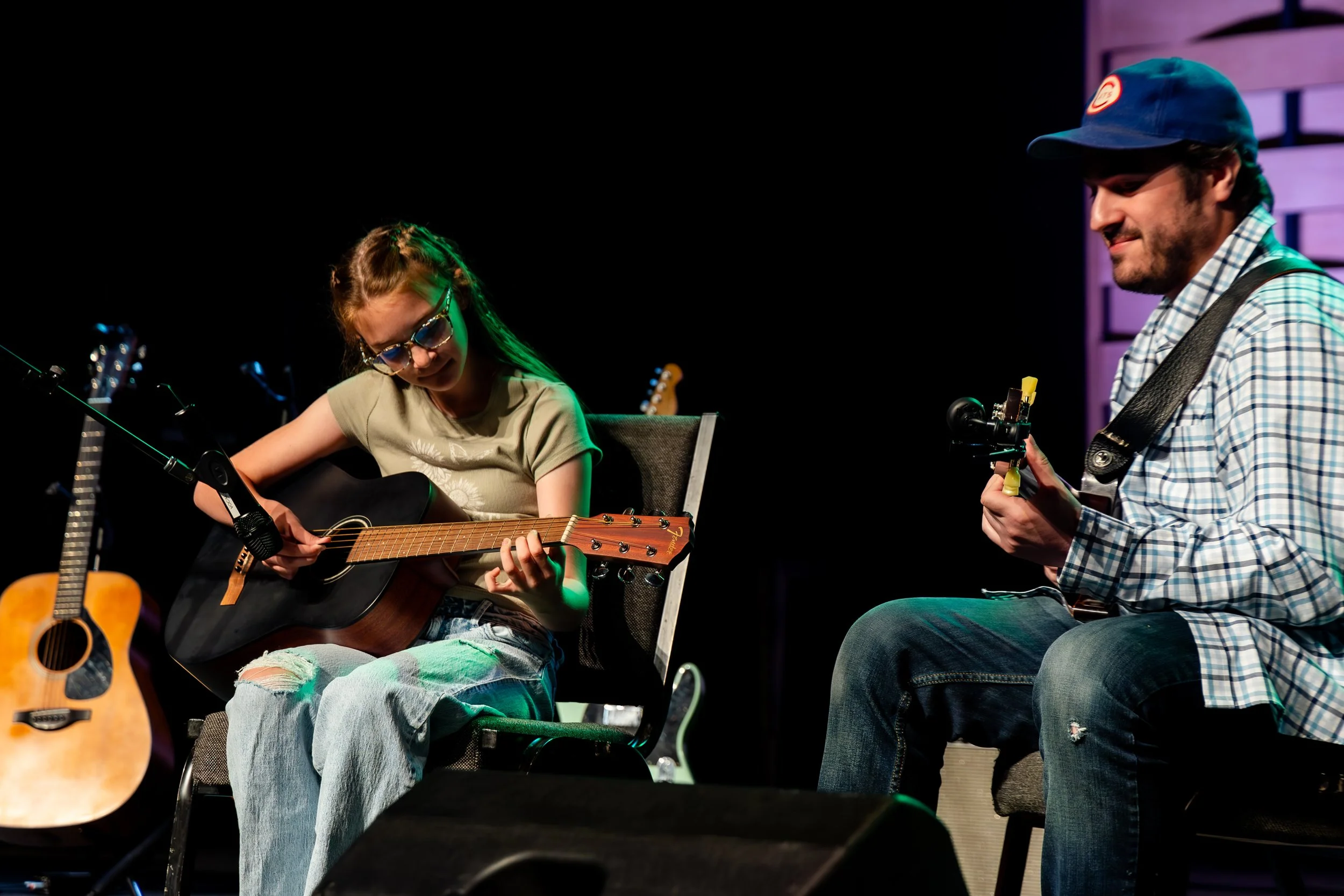
Practicing music helps kids learn how to pay attention and remember details. Remembering songs, rhythms, and finger positions is great practice for remembering math steps, spelling words, and even reading directions in class.
Music Helps with Math and Reading
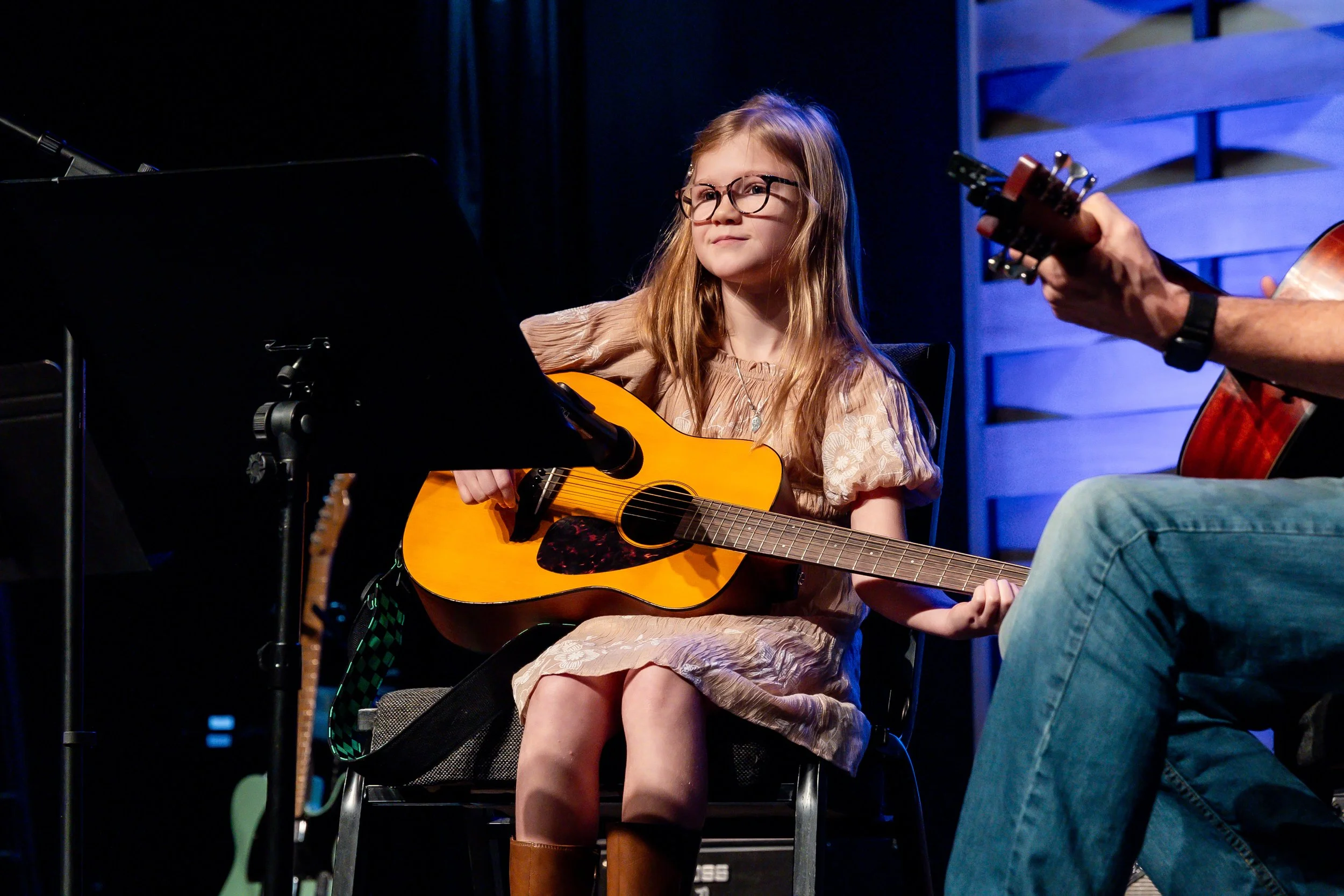
Music is full of patterns—just like math! Counting beats and understanding rhythms can make numbers easier to understand. Reading music also helps with reading skills, because kids learn how to recognize symbols and follow along from left to right.
Builds Patience and Confidence
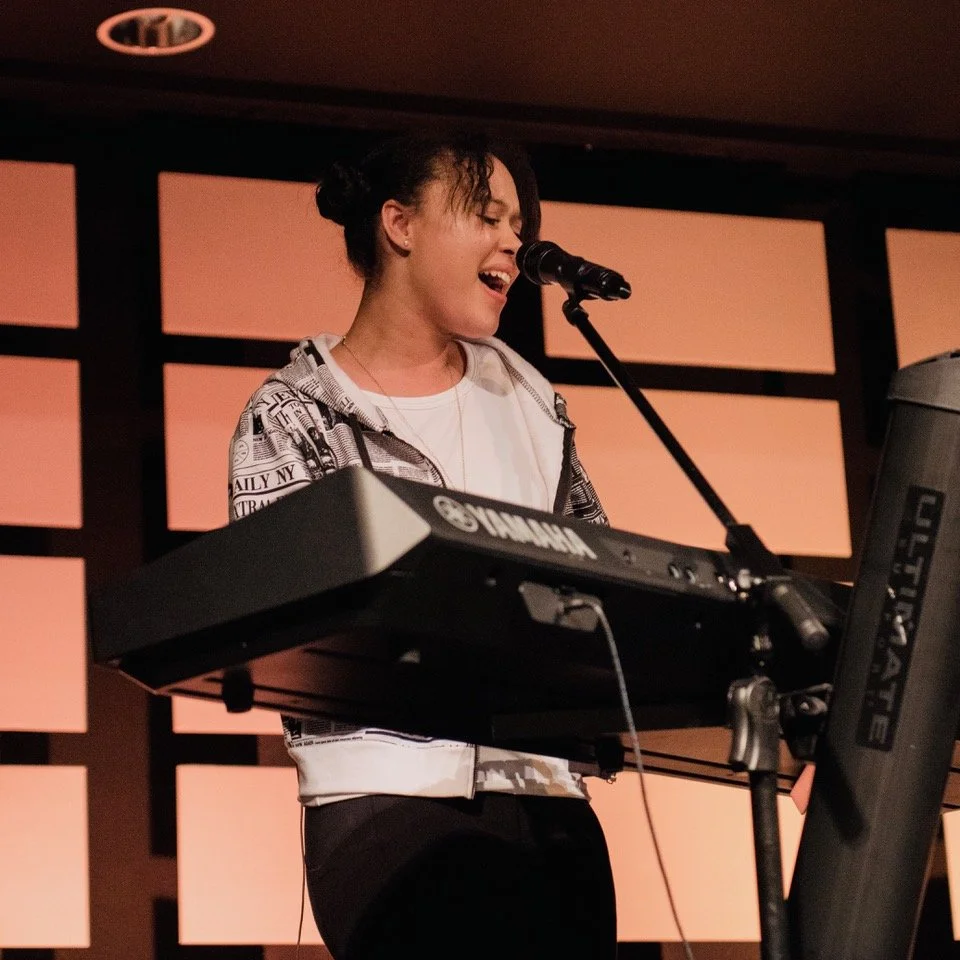
Learning an instrument takes practice, and practice teaches patience. Each time a student learns a new song or masters a tricky part, they feel proud of themselves. That confidence can carry over into school, sports, and everyday life.
Helps with Emotions and Social Skills
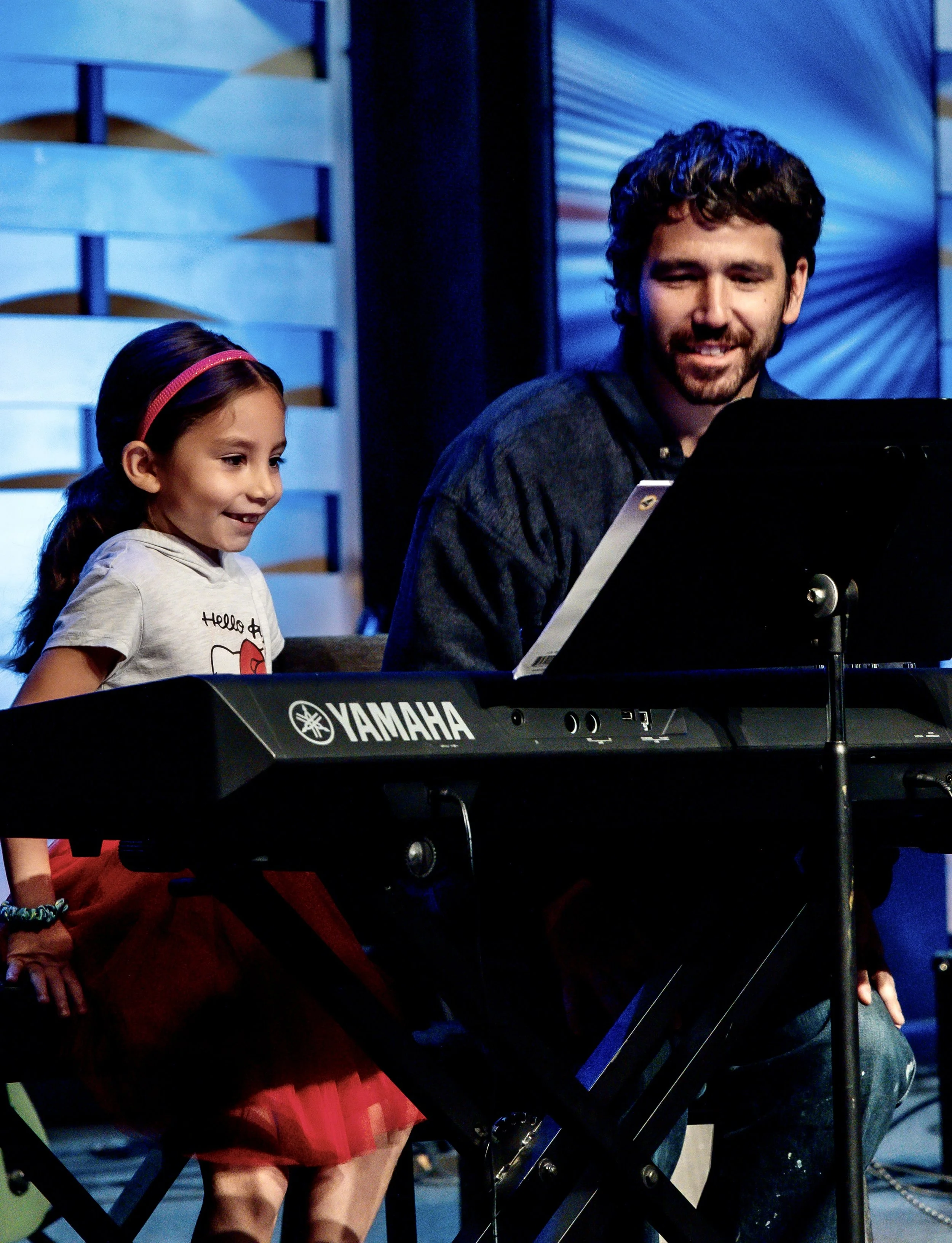
Music is a great way to express feelings—happy, excited, calm, or even nervous. Playing music with others also teaches teamwork, listening, and cooperation, especially during group lessons and performances.
Learning Music Is Learning for Life
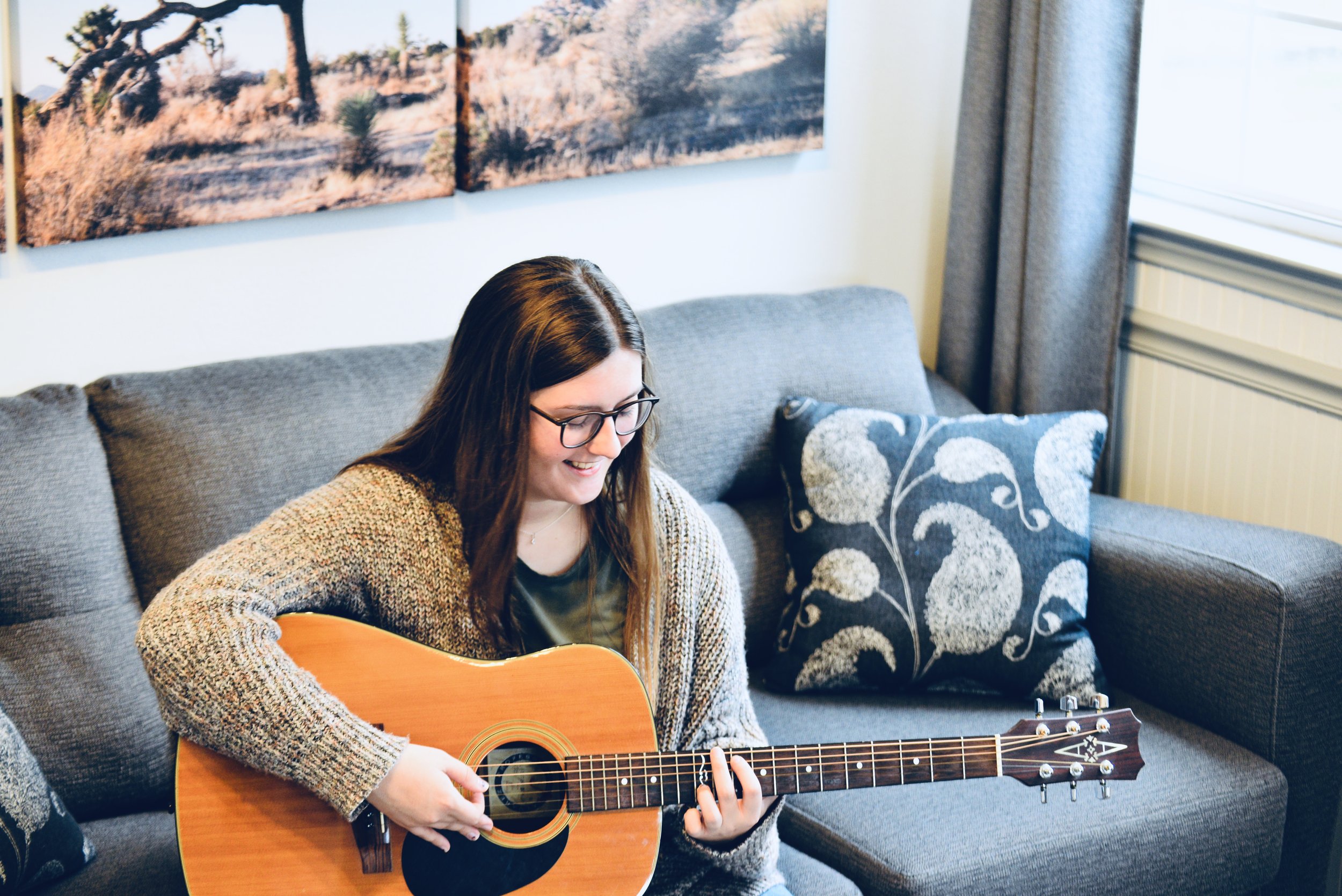
When kids play an instrument, they’re not just learning music—they’re building skills that help them succeed everywhere. Stronger focus, better memory, confidence, and creativity all start with making music!

At Wylie School of Music, we love helping students grow—both musically and mentally—one note at a time